Some of the links in this article are "affiliate links", a link with a special tracking code. This means if you click on an affiliate link and purchase the item, we will receive an affiliate commission.
The price of the item is the same whether it is an affiliate link or not. Regardless, we only recommend products or services we believe will add value to our readers.
By using the affiliate links, you are helping support our Website, and we genuinely appreciate your support.
Breakfast is often called the most important meal of the day, and for good reason. After several hours of sleep, your body needs fuel to restore energy levels, jump-start your metabolism, and prepare you for the day ahead. Choosing a healthy breakfast can improve concentration, stabilize blood sugar, reduce unhealthy cravings, and provide essential nutrients that support overall wellness. Whether you’re rushing out the door for work, managing a busy family schedule, or simply trying to eat healthier, there are countless delicious breakfast options that are both satisfying and nutritious. The key is finding meals that combine protein, healthy fats, fiber, and complex carbohydrates to keep you energized throughout the morning.
One of the simplest healthy breakfast ideas is a bowl of oatmeal topped with fresh fruit and nuts. Oats are rich in soluble fiber, particularly beta-glucan, which helps lower cholesterol levels and promotes heart health. Adding sliced bananas, blueberries, strawberries, or apples increases the vitamin and antioxidant content, while almonds, walnuts, or chia seeds provide healthy fats and additional protein. A drizzle of honey or a sprinkle of cinnamon can enhance the flavor naturally without relying on excessive sugar. Oatmeal is highly customizable, making it a favorite choice for people of all ages.
Greek yogurt is another excellent breakfast option packed with protein, calcium, and probiotics that support digestive health. Pairing plain Greek yogurt with fresh berries, granola, pumpkin seeds, or flaxseeds creates a balanced meal that satisfies hunger for hours. Choosing unsweetened yogurt helps reduce added sugar intake while allowing the natural sweetness of fruit to shine. For extra nutrition, consider adding a spoonful of nut butter or a handful of chopped nuts for healthy fats and a creamy texture.
Smoothies have become increasingly popular because they are quick, portable, and easy to customize. A healthy breakfast smoothie should include leafy greens such as spinach or kale, a serving of fruit like bananas or berries, a source of protein such as Greek yogurt or protein powder, and healthy fats from avocado or nut butter. Blending these ingredients with unsweetened almond milk or low-fat milk creates a refreshing breakfast that delivers vitamins, minerals, fiber, and protein in every sip. Smoothies are especially convenient for busy mornings when preparing a full meal isn’t possible.
Eggs remain one of the most nutrient-dense breakfast foods available. They are rich in high-quality protein, essential amino acids, vitamin D, vitamin B12, and choline, which supports brain health. Scrambled eggs with spinach, tomatoes, mushrooms, and bell peppers create a colorful and filling breakfast loaded with nutrients. Pairing eggs with whole-grain toast or avocado provides complex carbohydrates and heart-healthy fats that help sustain energy throughout the morning. Hard-boiled eggs are also a convenient option for meal prepping ahead of time.
Whole-grain toast topped with avocado has become a modern breakfast classic. Avocados are rich in monounsaturated fats, potassium, and fiber, making them an excellent addition to a balanced diet. Sprinkling avocado toast with chia seeds, sesame seeds, red pepper flakes, or sliced tomatoes adds extra flavor and nutrients. For additional protein, top the toast with a poached egg, smoked salmon, or cottage cheese. This simple meal is both satisfying and packed with vitamins that support heart and brain health.
If you enjoy preparing breakfast in advance, overnight oats are a fantastic solution. Combining rolled oats with milk or yogurt and refrigerating them overnight creates a creamy, ready-to-eat breakfast by morning. Mix in fruits, chia seeds, cocoa powder, vanilla extract, or cinnamon for endless flavor combinations. Overnight oats save valuable time during busy weekdays while providing lasting energy from fiber-rich whole grains.
Breakfast doesn’t always have to be sweet. Vegetable omelets, breakfast burritos filled with black beans, spinach, eggs, and salsa, or whole-grain wraps with turkey and avocado offer savory alternatives that are equally nutritious. Including vegetables at breakfast increases daily fiber intake and helps meet recommended servings of vitamins and minerals. Black beans and other legumes also contribute plant-based protein and complex carbohydrates that support steady energy levels.
Fresh fruit paired with cottage cheese is another wholesome breakfast choice. Cottage cheese is naturally high in protein and calcium while remaining relatively low in calories. Combining it with pineapple, peaches, berries, or melon creates a refreshing meal that balances sweetness with satisfying protein. Adding sunflower seeds or walnuts enhances both texture and nutritional value, making it an excellent breakfast for those seeking a lighter yet filling option.
For families with children, homemade whole-grain pancakes or waffles can become a healthier weekend tradition. Using whole wheat flour, oats, mashed bananas, or applesauce instead of refined flour creates a more nutritious version of these breakfast favorites. Instead of syrup loaded with added sugars, top pancakes with fresh berries, sliced bananas, Greek yogurt, or a light drizzle of pure maple syrup. This approach preserves the enjoyment of classic comfort foods while improving their nutritional profile.
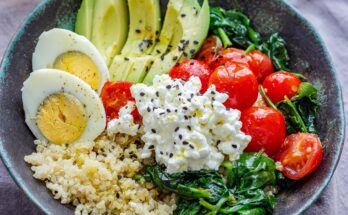
Breakfast bowls have also gained popularity because they combine multiple nutritious ingredients into one satisfying meal. A breakfast bowl may include quinoa, brown rice, scrambled eggs, roasted vegetables, avocado, spinach, and salsa. Alternatively, a sweeter version can feature yogurt, berries, granola, nuts, and seeds. These balanced bowls deliver protein, fiber, vitamins, healthy fats, and antioxidants that promote long-lasting fullness and consistent energy.
Hydration is equally important during breakfast. Drinking water after waking up helps replenish fluids lost overnight, while herbal tea, green tea, or black coffee in moderation can complement a healthy breakfast. Limiting sugary beverages such as sodas or sweetened coffee drinks helps reduce unnecessary calorie intake and supports long-term health goals.
Planning breakfast ahead of time can significantly improve consistency. Preparing overnight oats, boiling eggs in advance, chopping fruit, or assembling smoothie ingredients the night before makes healthy choices much easier during hectic mornings. Keeping nutritious staples such as oats, eggs, yogurt, whole-grain bread, frozen fruit, nuts, and seeds stocked in the kitchen ensures that wholesome breakfasts are always within reach.
Ultimately, the best healthy breakfast is one that fits your lifestyle while providing balanced nutrition. Every person has unique preferences and dietary needs, but focusing on whole, minimally processed foods is a reliable foundation for building healthier habits. A nourishing breakfast not only fuels your body but also supports mental focus, stable energy, improved mood, and better overall health throughout the day. By making thoughtful breakfast choices consistently, you create a positive routine that benefits both your physical well-being and long-term lifestyle goals. Whether you prefer oatmeal, smoothies, eggs, yogurt, avocado toast, or fresh fruit, there are countless healthy breakfast ideas that make mornings more enjoyable while helping you feel your best every single day.