Some of the links in this article are "affiliate links", a link with a special tracking code. This means if you click on an affiliate link and purchase the item, we will receive an affiliate commission.
The price of the item is the same whether it is an affiliate link or not. Regardless, we only recommend products or services we believe will add value to our readers.
By using the affiliate links, you are helping support our Website, and we genuinely appreciate your support.
Starting your day with a healthy breakfast is one of the easiest ways to improve your overall well-being. After a night of sleep, your body needs nutrients to restore energy, support brain function, and prepare for the activities ahead. While many people skip breakfast due to busy schedules, making time for a balanced morning meal can have lasting benefits. A nutritious breakfast helps regulate blood sugar, boosts metabolism, improves concentration, and reduces the temptation to snack on unhealthy foods later in the day. Fortunately, healthy breakfasts do not have to be complicated or time-consuming. With a little planning and creativity, you can enjoy delicious meals that fuel both your body and mind.
A balanced breakfast should include a combination of lean protein, healthy fats, fiber, and complex carbohydrates. This combination provides steady energy instead of the quick rise and fall in blood sugar that often comes from sugary cereals or pastries. Whole foods are always the best choice because they are naturally rich in vitamins, minerals, and antioxidants without unnecessary additives. By focusing on nutrient-dense ingredients, you create a breakfast that keeps you feeling full and satisfied until lunchtime.
One of the most popular healthy breakfast choices is whole-grain toast with natural peanut butter and sliced bananas. Whole-grain bread provides complex carbohydrates that release energy gradually, while peanut butter contributes protein and healthy fats that help curb hunger. Bananas add natural sweetness along with potassium, vitamin B6, and dietary fiber. This simple breakfast is quick to prepare, making it ideal for busy mornings when time is limited.
Another nutritious option is a vegetable-packed breakfast scramble. Eggs combined with spinach, tomatoes, onions, mushrooms, and bell peppers create a colorful meal filled with protein and essential nutrients. Vegetables are excellent sources of vitamins A and C, antioxidants, and fiber that support immune function and digestive health. Cooking the vegetables with a small amount of olive oil adds heart-healthy fats while enhancing flavor. Pair the scramble with a slice of whole-grain toast or a serving of fresh fruit for a complete meal.
For those who enjoy lighter breakfasts, chia seed pudding offers a refreshing alternative. Chia seeds absorb liquid overnight, creating a creamy pudding-like texture without requiring any cooking. Mixed with almond milk, low-fat milk, or Greek yogurt and topped with berries, kiwi, or mango, chia pudding becomes a nutrient-rich breakfast full of fiber, omega-3 fatty acids, calcium, and antioxidants. Preparing it the night before saves valuable time and ensures breakfast is ready whenever you wake up.
Smoothie bowls have also become a favorite among health-conscious eaters. Unlike traditional smoothies, smoothie bowls are thicker and eaten with a spoon, allowing you to add a variety of nutritious toppings. Blend frozen berries, bananas, spinach, and Greek yogurt until smooth, then top with granola, coconut flakes, pumpkin seeds, sliced almonds, and fresh fruit. This breakfast delivers vitamins, minerals, healthy fats, and protein while offering satisfying textures and vibrant flavors that make eating healthy enjoyable.
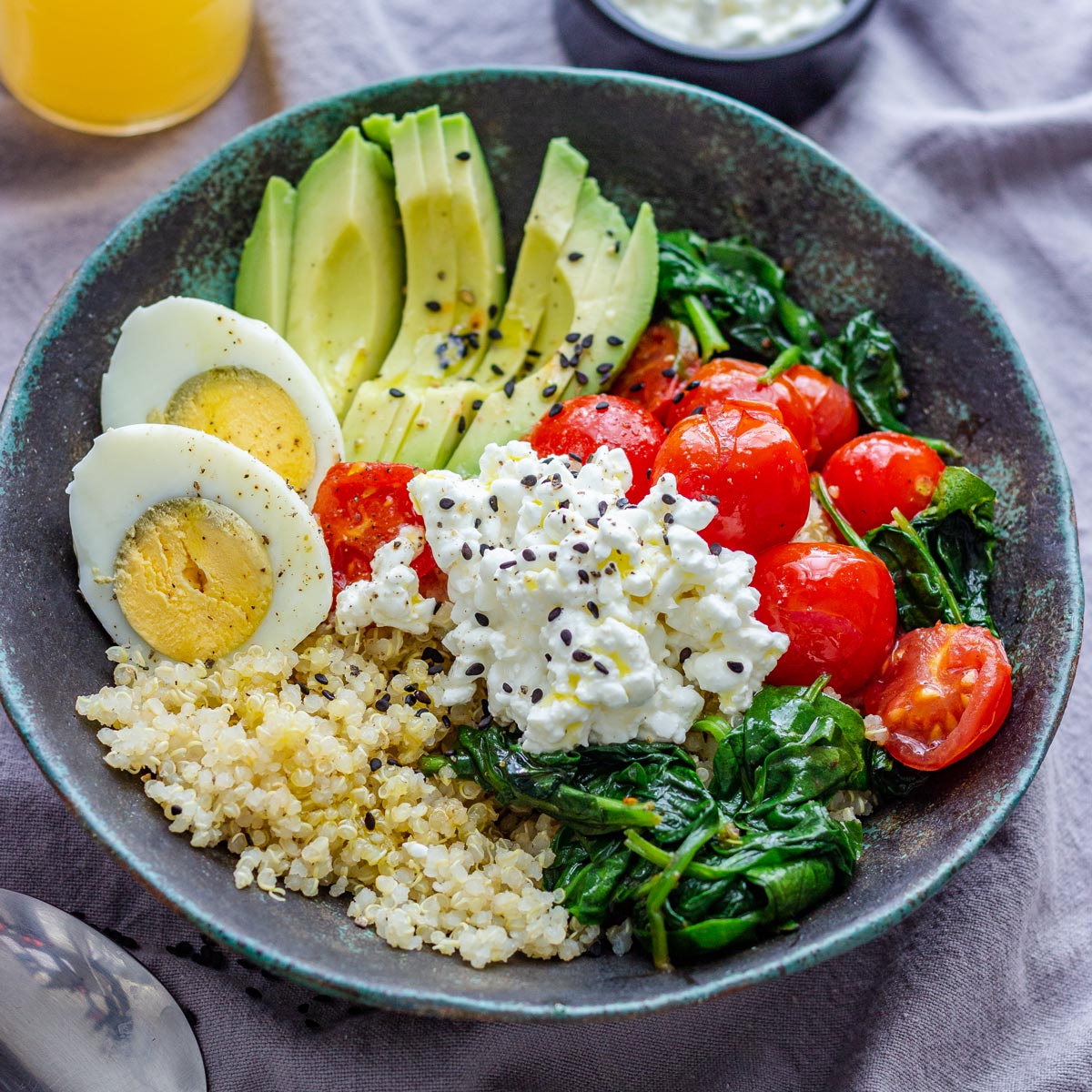
Cottage cheese remains one of the most underrated breakfast foods. Rich in protein and calcium, it supports muscle health while keeping you full for longer periods. Pair cottage cheese with sliced peaches, strawberries, blueberries, or pears for natural sweetness. A handful of walnuts or pecans adds crunch and heart-healthy fats. This simple combination requires little preparation yet provides balanced nutrition that fits easily into almost any lifestyle.
Breakfast wraps are another excellent choice for people seeking convenience. Fill a whole-wheat tortilla with scrambled eggs, black beans, avocado, spinach, and salsa to create a portable meal rich in protein, fiber, and healthy fats. The beans contribute plant-based protein and complex carbohydrates, while avocado provides monounsaturated fats that support heart health. These wraps can even be prepared in advance and reheated during busy weekday mornings.
If you enjoy traditional breakfast cereals, choose varieties made with whole grains and minimal added sugar. Many cereals marketed as healthy actually contain significant amounts of sugar, so reading nutrition labels is important. Pair whole-grain cereal with low-fat milk or unsweetened plant-based milk and add fresh fruit for additional fiber and vitamins. This creates a more balanced breakfast than relying solely on processed cereal products.
Homemade breakfast muffins made with oats, whole wheat flour, shredded carrots, zucchini, mashed bananas, or blueberries are another nutritious option. Unlike bakery muffins that are often loaded with sugar and saturated fats, homemade versions allow you to control the ingredients. Including nuts, seeds, and fruit increases the nutritional value while creating a satisfying breakfast that can be enjoyed on the go.
Fresh fruit salads make an excellent breakfast, especially during warmer months. Combining berries, oranges, grapes, kiwi, pineapple, watermelon, and apples provides a colorful variety of vitamins, antioxidants, and hydration. To make the meal more filling, serve the fruit alongside Greek yogurt, cottage cheese, or a handful of mixed nuts. This combination balances natural sugars with protein and healthy fats, helping maintain steady energy throughout the morning.
Meal preparation is one of the most effective strategies for maintaining healthy breakfast habits. Spending a short amount of time on weekends preparing overnight oats, chopping fruits, boiling eggs, or portioning smoothie ingredients into freezer bags can make weekday mornings much easier. Having healthy options readily available reduces the temptation to skip breakfast or rely on fast food and processed snacks.
Portion control is another important factor in creating a healthy breakfast routine. Even nutritious foods should be enjoyed in balanced amounts. Listening to your body’s hunger signals and eating until comfortably satisfied rather than overly full helps support healthy weight management. Drinking a glass of water before breakfast can also aid hydration and promote healthy digestion after the overnight fasting period.
Variety is essential for maintaining long-term healthy eating habits. Rotating different breakfast options throughout the week helps prevent boredom while ensuring your body receives a wide range of nutrients. One day you might enjoy oatmeal with berries, another day an egg and vegetable wrap, followed by Greek yogurt with granola or a smoothie bowl. Mixing different fruits, vegetables, grains, and protein sources keeps meals exciting while supporting overall nutritional balance.
Choosing a healthy breakfast is not about following strict diets or eliminating favorite foods. Instead, it involves making thoughtful choices that prioritize wholesome ingredients and balanced nutrition. Small changes such as replacing sugary pastries with whole-grain toast, adding fresh fruit instead of syrup, or including extra vegetables in egg dishes can make a meaningful difference over time. Consistency matters more than perfection, and each nutritious breakfast contributes to better health.
Ultimately, healthy breakfast ideas are about creating sustainable habits that fit your lifestyle. Whether you prefer a warm bowl of oatmeal, a protein-rich egg scramble, creamy yogurt with fruit, or a refreshing smoothie bowl, there are endless ways to enjoy a delicious morning meal. By starting each day with nourishing foods, you provide your body with the energy and nutrients it needs to perform at its best. A healthy breakfast is more than just the first meal of the day—it is an investment in your long-term health, productivity, and overall quality of life.